This post contains affiliate links. This means I will make a commission at no extra cost to you should you click through and make a purchase. Read the full disclosure here.
Jack Russell Terriers are energetic, intelligent and full of character. It is therefore not surprising that they have been crossed with many other dog breeds.
Some Jack Russell mixes are small companion dogs, while others are athletic working crosses that need several opportunities to exercise every day. However, crossing two breeds does not produce a predictable combination of their best characteristics.
A mixed-breed puppy can inherit any blend of its parents’ appearance, temperament, energy level and health risks. Even puppies from the same litter may grow into noticeably different dogs.
This guide explores 15 popular Jack Russell Terrier cross breeds and what prospective owners should consider before adopting one.
Important: The descriptions below explain possible characteristics, not guarantees. Always assess the individual dog rather than choosing one based only on the crossbreed’s name or appearance.
Quick Comparison of Popular Jack Russell Cross Breeds
Jack Russell mix
Other parent
Likely size
Typical activity level
May suit
Jack Chi
Chihuahua
Very small to small
Moderate to high
Experienced small-dog owners
Jug
Pug
Small
Moderate
Owners wanting a playful companion
Jackapoo
Poodle
Small to medium
High
Active homes prepared for grooming
Jackshund
Dachshund
Small
Moderate to high
Patient owners who enjoy training
Jackabee
Beagle
Small to medium
High
Active homes with secure gardens
Cojack
Pembroke Welsh Corgi
Small to medium
High
Active and training-focused homes
Border Jack
Border Collie
Medium
Very high
Dog-sport or highly active homes
Jack Tzu
Shih Tzu
Small
Moderate
Companion-dog homes
French Jack
French Bulldog
Small
Moderate
Owners able to monitor heat and breathing
Bo-Jack
Boston Terrier
Small
Moderate to high
Interactive households
Yorkie Jack
Yorkshire Terrier
Small
High
Terrier-experienced owners
Cocker Jack
Cocker Spaniel
Small to medium
High
Active families prepared for grooming
Jackador
Labrador Retriever
Medium
High
Outdoors-oriented homes
Staffy Jack
Staffordshire Bull Terrier
Medium
High
Experienced, physically active owners
Mini Jack Schnauzer
Miniature Schnauzer
Small
High
Owners who enjoy training and grooming
Individual dogs may fall outside these general descriptions.
What Is a Jack Russell Cross Breed?
A Jack Russell cross is a dog with one Jack Russell Terrier parent and a parent belonging to another breed—or a dog believed to have ancestry from both breeds.
Names such as “Jack Chi” and “Jackapoo” are informal labels. They do not create new standardised breeds. There is usually no official standard controlling the mix’s adult size, coat, temperament or appearance.
Those traits can remain influential when a Jack Russell is crossed with another breed, but genetics do not work like mixing equal quantities of two ingredients. One puppy may strongly resemble the Jack Russell parent, while another may take after the other breed.
Are Jack Russell Mixes Good Family Dogs?
Some can make excellent family companions, but suitability depends more on the individual dog than the crossbreed’s name.
Before bringing one home, consider:
the dog’s behaviour around children;
previous socialisation and training;
tolerance of handling and noise;
prey drive around smaller animals;
guarding tendencies;
daily exercise requirements;
ability to settle inside the home; and
whether adults can supervise interactions with children.
Jack Russells can be fast, determined and easily excited by movement. A mixed dog may inherit these tendencies. Young children should never be left unsupervised with any dog, regardless of its breed or size.
Do Jack Russell Mixes Shed?
Many do. Crossing a Jack Russell with a Poodle or another low-shedding breed does not guarantee a low-shedding or “hypoallergenic” puppy.
A puppy may inherit:
a short, smooth coat;
a wiry or broken coat;
a soft, curly coat;
a longer coat;
or a combination that is difficult to predict.
Dogs with curly or continuously growing coats may shed less visibly, but they often require more brushing and professional grooming.
1. Jack Chi: Jack Russell Terrier and Chihuahua Mix
The Jack Chi combines two small dogs with confident personalities. Although compact, this mix should not automatically be considered a quiet lapdog.
A Jack Chi may be affectionate and closely attached to its family. It may also be alert, vocal, wary of unfamiliar people or inclined to chase small animals. Early, positive socialisation can help the puppy develop confidence without becoming overwhelmed.
Because both parent breeds are small, the adult dog will usually be compact. However, its body shape, ear position, coat and weight can vary considerably.
Possible Jack Chi characteristics
Small, portable body
Alert and expressive personality
Strong attachment to one or more people
Moderate to high energy
Potential barking or watchdog behaviour
Possible sensitivity to cold weather
Health considerations
Small dogs can be vulnerable to dental disease and kneecap problems such as patellar luxation. Chihuahua ancestry may also introduce additional heart, eye or neurological concerns.
A responsible breeder should arrange appropriate health screening for both parents rather than assuming that mixed puppies are automatically healthier.
Best suited to
A Jack Chi may suit an owner who wants an interactive small dog and is prepared to provide training, appropriate exercise and careful handling.
2. Jug: Jack Russell Terrier and Pug Mix
A Jug is a cross between a Jack Russell Terrier and a Pug. This mix may combine the Jack Russell’s busy nature with the Pug’s sociable, companion-oriented personality.
Some Jugs have a longer muzzle than a typical Pug, but this cannot be assumed. A puppy that inherits a shortened muzzle may still experience breathing difficulties, heat intolerance, eye vulnerability or skin-fold problems.
Possible Jug characteristics
Small, sturdy body
Playful and people-oriented nature
Moderate energy
Food motivation
Smooth coat with regular shedding
Possible stubbornness during training
Health considerations
Breathing should be taken seriously. No dog should be considered healthy simply because its muzzle is slightly longer than another Pug’s.
Warning signs include noisy breathing at rest, struggling to recover after light exercise, disturbed sleep, gagging, repeated overheating or collapse. These signs require veterinary attention.
Best suited to
A Jug may suit a home looking for a playful companion, provided the owners can manage its weight and avoid strenuous activity in hot weather.
3. Jackapoo: Jack Russell Terrier and Poodle Mix
The Jackapoo is normally produced by crossing a Jack Russell with a Miniature or Toy Poodle. The size of the Poodle parent makes a significant difference to the puppy’s likely adult size.
Both parent breeds are intelligent and energetic. A Jackapoo may learn quickly, but intelligence does not always make a dog easy to own. Clever dogs can become skilled at escaping, demanding attention or creating their own entertainment.
Possible Jackapoo characteristics
High intelligence
Playful, people-focused behaviour
Strong need for mental stimulation
Wavy, curly, wiry or mixed coat
High trainability when properly motivated
Possible chasing or digging behaviour
Grooming needs
The coat may mat if it is not brushed thoroughly. Some Jackapoos require professional grooming every several weeks, particularly around the face, ears, legs and areas of friction.
An active owner who enjoys training, interactive games and regular coat maintenance.
4. Jackshund: Jack Russell Terrier and Dachshund Mix
Sometimes called a Jackweenie, the Jackshund combines two breeds developed to pursue animals underground. The result may be a determined little dog with a strong nose, prey drive and independent streak.
Its body shape is unpredictable. Some inherit a relatively balanced build, while others develop the Dachshund’s longer back and shorter legs.
Possible Jackshund characteristics
Curious and determined temperament
Moderate to high energy
Strong interest in scents
Digging and chasing behaviour
Smooth, wiry or longer coat
Potential barking
Health considerations
Dogs with long backs and short legs may be more vulnerable to spinal problems. Keeping the dog lean, using suitable exercise and discussing any mobility concerns with a veterinarian are important.
Seek veterinary attention if the dog suddenly cries out, becomes reluctant to walk, develops weakness, drags a limb or loses bladder or bowel control.
Best suited to
A patient owner who can provide reward-based training, scent games and a securely fenced outdoor space.
5. Jackabee: Jack Russell Terrier and Beagle Mix
The Jackabee combines a working terrier with a scent hound. This can create an enthusiastic, active dog with a powerful interest in smells and moving animals.
A Jackabee may be friendly and playful, but reliable recall can be challenging. A secure lead or enclosed exercise area is often necessary.
Possible Jackabee characteristics
Small-to-medium build
Strong scenting ability
High activity level
Food motivation
Friendly but independent personality
Potential howling, barking or digging
Health considerations
Monitor body condition carefully because some Beagles are highly food motivated. Ear care may also be important if the dog inherits longer, folded ears.
Best suited to
An active household that enjoys walking, scent work and outdoor activities—and has secure fencing.
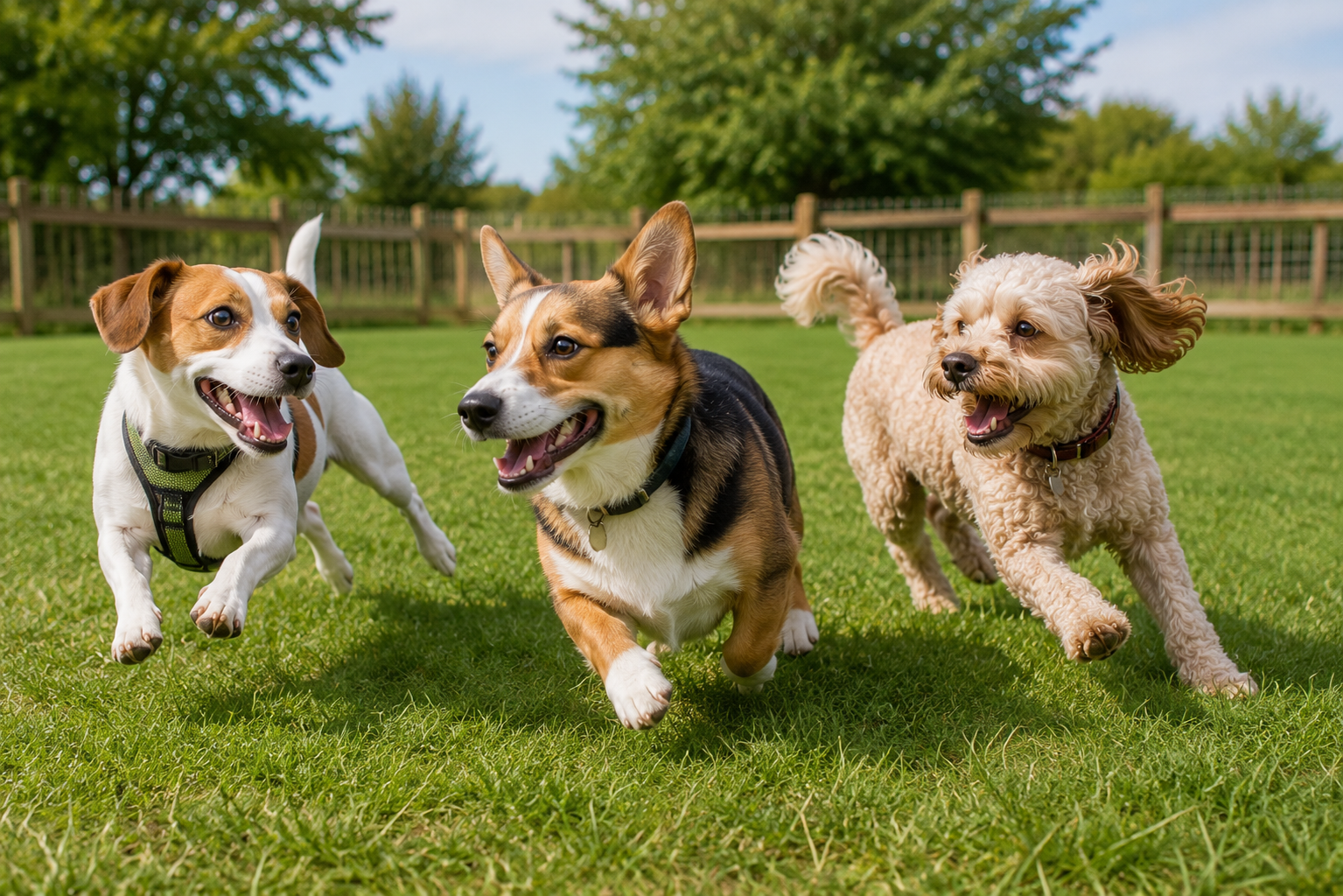
6. Cojack: Jack Russell Terrier and Corgi Mix
A Cojack is commonly a cross between a Jack Russell and a Pembroke Welsh Corgi. Both parents are active, intelligent dogs originally developed to work.
This mix may attempt to chase, control or nip at moving feet, particularly if it inherits herding tendencies. That behaviour should be redirected through appropriate training rather than punished.
Possible Cojack characteristics
Small-to-medium body
Short or moderately long legs
Alert and confident personality
Strong interest in movement
High intelligence
Regular shedding
Health considerations
Some Cojacks inherit a longer back or shortened limbs. Weight management is especially important because excess weight places additional strain on the spine and joints.
Best suited to
Active owners who enjoy structured training and can provide both physical exercise and problem-solving activities.
7. Border Jack: Jack Russell Terrier and Border Collie Mix
The Border Jack is an intense and athletic mix. Both parents were developed to work, although they perform very different jobs.
This dog may inherit the Border Collie’s sensitivity to movement and the Jack Russell’s speed, persistence and prey drive. Border Jacks are sometimes seen in dog sports because they can be fast and highly responsive.
However, this is not necessarily an easy family pet.
Possible Border Jack characteristics
Very high physical energy
Exceptional learning ability
Strong focus on toys or movement
Need for structured mental stimulation
Possible sensitivity to noise or environmental changes
Difficulty relaxing without appropriate training
Health considerations
Repetitive high-impact exercise should be introduced carefully, particularly while the puppy is still growing. Fitness does not protect a dog from injury caused by excessive jumping or abrupt twisting.
Best suited to
An experienced, highly active owner interested in advanced training, agility, flyball, scent work or other structured activities.
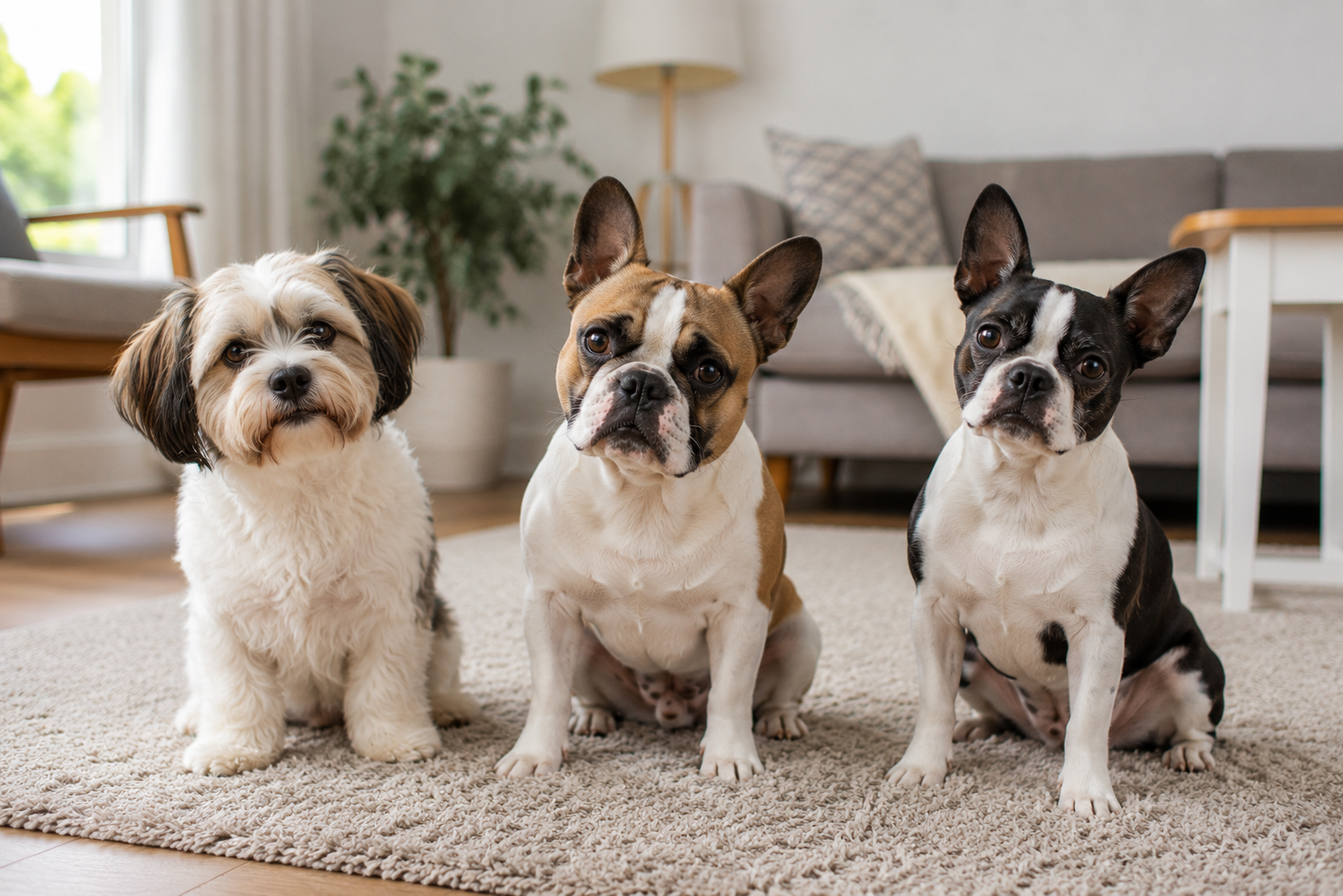
8. Jack Tzu: Jack Russell Terrier and Shih Tzu Mix
The Jack Tzu combines a working terrier with a companion breed. The result may be affectionate and playful, but coat type, exercise needs and facial structure can vary.
Some Jack Tzus have a longer, softer coat requiring frequent brushing. Others inherit a shorter or wirier coat.
Possible Jack Tzu characteristics
Small body
Affectionate companion temperament
Moderate energy
Long, wiry or mixed coat
Possible independent streak
Potential alert barking
Health considerations
If the dog inherits a shortened muzzle, monitor breathing and heat tolerance. Prominent eyes may be more vulnerable to irritation or injury. Regular dental and eye care may be necessary.
Best suited to
A home seeking a small companion that still enjoys walks, games and training.
9. French Jack: Jack Russell Terrier and French Bulldog Mix
French Jacks can vary considerably in body shape and breathing ability. Some resemble a sturdier Jack Russell, while others inherit the French Bulldog’s shortened muzzle, broad chest and compact build.
This cross should not be promoted as a way of producing a “healthier French Bulldog.” Individual puppies may still inherit serious structural and hereditary health problems.
Possible French Jack characteristics
Small, muscular body
Playful personality
Moderate activity level
Strong attachment to people
Smooth coat
Possible breathing and heat limitations
Health considerations
Potential concerns include obstructed breathing, spinal abnormalities, skin problems, eye injuries and overheating.
Choose a breeder who prioritises functional breathing, natural movement and health screening—not exaggerated features or unusual colours.
Best suited to
Owners who understand heat safety, carefully monitor exercise and can afford potential veterinary care.
10. Bo-Jack: Jack Russell Terrier and Boston Terrier Mix
A Bo-Jack may be social, amusing and energetic. Both parent breeds often enjoy interacting with people, although individual temperaments vary.
Dogs inheriting the Boston Terrier’s shorter muzzle may have reduced tolerance for hot weather or prolonged exertion.
Possible Bo-Jack characteristics
Small, compact body
Playful and people-oriented temperament
Moderate to high energy
Short, easy-care coat
Potential jumping or excitable behaviour
Possible breathing limitations
Health considerations
Monitor breathing, eyes, kneecaps and skin. Exercise should be adjusted to the dog’s individual breathing ability and the weather.
Best suited to
An interactive home that can provide regular training, play and companionship.
11. Yorkie Jack: Jack Russell Terrier and Yorkshire Terrier Mix
The Yorkie Jack combines two terriers, so prospective owners should expect more than a decorative lapdog.
This mix may be bold, energetic and quick to react to sounds or movement. Despite its small size, it needs training, enrichment and appropriate exercise.
Possible Yorkie Jack characteristics
Small body with a large personality
High energy
Alert barking
Strong prey drive
Close attachment to family
Silky, wiry or mixed coat
Health considerations
Dental care is particularly important in small dogs. Other potential concerns include kneecap instability, eye disease and problems associated with very small body size.
Someone who appreciates terrier behaviour and wants an active small companion.
12. Cocker Jack: Jack Russell Terrier and Cocker Spaniel Mix
A Cocker Jack may combine the Cocker Spaniel’s sociability with the Jack Russell’s energy and determination. Many require more exercise and enrichment than their appealing appearance suggests.
Possible Cocker Jack characteristics
Small-to-medium body
Friendly, lively personality
High interest in outdoor activities
Feathered, smooth or wiry coat
Strong interest in scents and movement
Need for regular grooming
Health considerations
Long or heavily coated ears may be more prone to moisture retention and infection. Regular ear checks are useful, but owners should not insert cotton buds or unprescribed cleaning products into the ear canal.
Best suited to
An active household prepared for exercise, training and coat care.
13. Jackador: Jack Russell Terrier and Labrador Retriever Mix
Because the parent breeds differ substantially in size, Jackadors can vary widely. Some are medium-sized and athletic, while others may be larger than prospective owners expect.
A Jackador may be friendly and enthusiastic, but it can also inherit the Jack Russell’s chasing instincts or the Labrador’s exuberance and appetite.
Possible Jackador characteristics
Medium and athletic build
High energy
Food motivation
Sociable personality
Strong retrieving or chasing behaviour
Regular shedding
Health considerations
Joint health, body weight and exercise during growth deserve attention. Prospective owners should ask about health testing performed on both parents, including screening appropriate for Labrador Retrievers.
Best suited to
Active households that enjoy hiking, outdoor games and consistent training.
14. Staffy Jack: Jack Russell Terrier and Staffordshire Bull Terrier Mix
The Staffy Jack is likely to be strong, energetic and people-focused. Its adult size and build can vary, but many are more muscular than a typical Jack Russell.
A Staffy Jack may be affectionate with people while still requiring thoughtful socialisation and careful introductions to other animals.
Possible Staffy Jack characteristics
Compact, muscular body
High physical energy
Playful and affectionate nature
Strong pulling or jumping if untrained
Possible prey drive
Short coat
Health considerations
Potential concerns may involve the skin, joints, eyes and kneecaps. Owners should also keep the dog lean and build fitness gradually.
Best suited to
An experienced owner able to provide reward-based training, secure handling and daily physical and mental activity.
15. Mini Jack Schnauzer: Jack Russell and Miniature Schnauzer Mix
This mix may also be called a Jack Schnauzer. Both parent breeds are alert, energetic and historically associated with controlling vermin.
The result may be a clever watchdog with a strong desire to investigate its surroundings.
Possible characteristics
Small, sturdy body
Wiry, rough or mixed coat
High trainability
Alert barking
Strong prey drive
Need for regular exercise and enrichment
Grooming needs
Dogs with a Schnauzer-like coat may need regular brushing, clipping or professional grooming. Hair around the face should be kept clean and comfortable.
Health considerations
Potential risks depend on the health history of both parents. Responsible breeders should screen for relevant eye, joint and inherited conditions.
Best suited to
An owner who enjoys training and does not mind managing grooming or alert barking.
Which Jack Russell Cross Breed Is Best?
There is no single best Jack Russell mix. The right dog is the one whose actual behaviour, exercise needs, size and health fit your household.
Do not rely only on appearance or promises that a cross will combine the “best of both breeds.”
Ask yourself:
How much exercise can I provide every day?
Can I manage a strong prey drive?
Do I have a secure garden or safe exercise area?
Can I afford grooming if the dog develops a high-maintenance coat?
Is my home suitable for barking or excitable behaviour?
Do I have young children, cats or smaller pets?
Can I afford insurance and unexpected veterinary treatment?
Am I prepared to train an intelligent but independent dog?
Are Jack Russell Cross Breeds Healthier?
Not automatically.
Genetic diversity may reduce the likelihood of certain inherited problems in some circumstances, but a mixed-breed dog can still inherit health conditions from either parent. It may also inherit risks associated with both breeds.
The World Small Animal Veterinary Association states that breeders should select against hereditary disease in pedigree, designer-cross and mixed-breed dogs. Appropriate health screening remains important regardless of whether the parents belong to the same breed. Read the WSAVA health-focused breeding statement.
A responsible breeder should:
allow you to meet the mother and observe her behaviour;
provide verifiable health-test results for both parents;
explain why the particular dogs were paired;
raise puppies in a clean, stimulating environment;
begin appropriate socialisation;
avoid exaggerated body shapes;
answer questions openly;
provide veterinary and vaccination records; and
be willing to take the dog back if the placement fails.
A DNA breed-identification test is not a substitute for appropriate health screening.
Adopting a Jack Russell Mix From a Rescue
Rescue organisations often have Jack Russell-type dogs and terrier mixes looking for homes. The dog’s exact parentage may be unknown, but its foster carers may provide valuable information about its actual personality and behaviour.
Ask the rescue about:
behaviour around adults and children;
response to dogs, cats and smaller animals;
separation-related behaviour;
housetraining;
guarding of food or toys;
reaction to handling;
known medical conditions;
exercise requirements; and
ability to settle indoors.
An adult rescue dog can sometimes be easier to match to a household because its approximate size, coat and established behaviour are already visible.
Preparing Your Home for a Jack Russell Cross
Before bringing the dog home, prepare:
a secure harness and lead;
identification tag and microchip registration;
a comfortable sleeping area;
suitable food recommended for its life stage;
food and water bowls;
safe chew items;
interactive feeding toys;
baby gates where necessary;
a secure garden with checked fencing; and
an appointment with your veterinarian.
Many Jack Russell mixes can jump, climb or dig. Do not assume that a short fence will contain a small dog.
Frequently Asked Questions
What is the most popular Jack Russell cross?
There is no authoritative worldwide ranking of Jack Russell crosses. The Jack Chi, Jug, Jackapoo, Jackabee and Jackshund are among the names frequently used for these mixes, but popularity varies by country and over time.
What is the calmest Jack Russell mix?
No particular cross is guaranteed to be calm. Temperament is influenced by genetics, early development, socialisation, health, training and daily environment. Meeting an adult dog through a reputable rescue may offer more behavioural predictability than choosing a young puppy.
Are Jack Russell mixes easy to train?
Many are intelligent and capable learners, but they may also be independent, easily distracted or strongly motivated by movement and scents. Short, positive training sessions usually work better than punishment or repetitive drilling.
Can a Jack Russell mix live in an apartment?
Some can, provided their exercise, toilet, training and enrichment needs are met. Barking, prey drive and the ability to settle indoors may be more important than body size.
Are Jack Russell crosses good with cats?
Some live peacefully with cats, while others have a strong desire to chase them. Early socialisation may help, but it cannot guarantee compatibility. Introductions must be gradual and supervised, and the cat should always have safe escape spaces.
How long do Jack Russell mixes live?
Lifespan varies according to size, genetics, body shape, diet, preventive healthcare and individual medical conditions. It is more responsible to discuss the particular dog’s likely health with a veterinarian than to rely on one lifespan estimate for every cross.
Do Jack Russell mixes need much exercise?
Most need daily physical exercise and mental stimulation. However, the amount should be adjusted for the dog’s age, health, body structure and inherited traits. Puppies and dogs with breathing or spinal problems require special consideration.
Can I predict what a Jack Russell cross puppy will look like?
Not precisely. Puppies can inherit different combinations of size, coat, colour, ear shape, leg length and facial structure—even within one litter.
Final Thoughts
Jack Russell Terrier crosses can be intelligent, affectionate and entertaining companions. They can also be energetic, vocal, determined and challenging when their needs are underestimated.
A crossbreed name should be treated as a clue about possible ancestry—not a guarantee of appearance, temperament or health.
Whether you choose a Jack Chi, Jackapoo, Jackabee or another Jack Russell mix, focus on the individual dog. Consider its behaviour, health, energy level and compatibility with your household before making a long-term commitment.
When buying a puppy, insist on appropriate health screening for both parents. When adopting, work with a rescue that has assessed the dog carefully and is honest about its needs.
Spread the love This post contains affiliate links. This means I will make a commission at no extra cost to you should you click through and make a purchase. Read the full disclosure here. When it comes to choosing a new furry friend, the Pug mixed Jack Russell breed offers a delightful combination of charm…
Spread the love This post contains affiliate links. This means I will make a commission at no extra cost to you should you click through and make a purchase. Read the full disclosure here. Who doesn’t love a cute-looking dog? If you are in the market for a new pet or if you already own…
Spread the love This post contains affiliate links. This means I will make a commission at no extra cost to you should you click through and make a purchase. Read the full disclosure here. Welcome to our in-depth exploration of the delightful and charismatic Chihuahua Jack Russell Mix, a captivating blend of two feisty and…
Spread the love This post contains affiliate links. This means I will make a commission at no extra cost to you should you click through and make a purchase. Read the full disclosure here. The Fully Grown Miniature Jack Russell is a delightful and energetic breed of dog that has captured the hearts of many…
Spread the love This post contains affiliate links. This means I will make a commission at no extra cost to you should you click through and make a purchase. Read the full disclosure here. Are you looking for a small dog breed that is full of energy and personality? Look no further than the Mini…
Spread the love This post contains affiliate links. This means I will make a commission at no extra cost to you should you click through and make a purchase. Read the full disclosure here. Are you looking for a small, lively, and affectionate canine companion? If so, you might be interested in learning about the…